
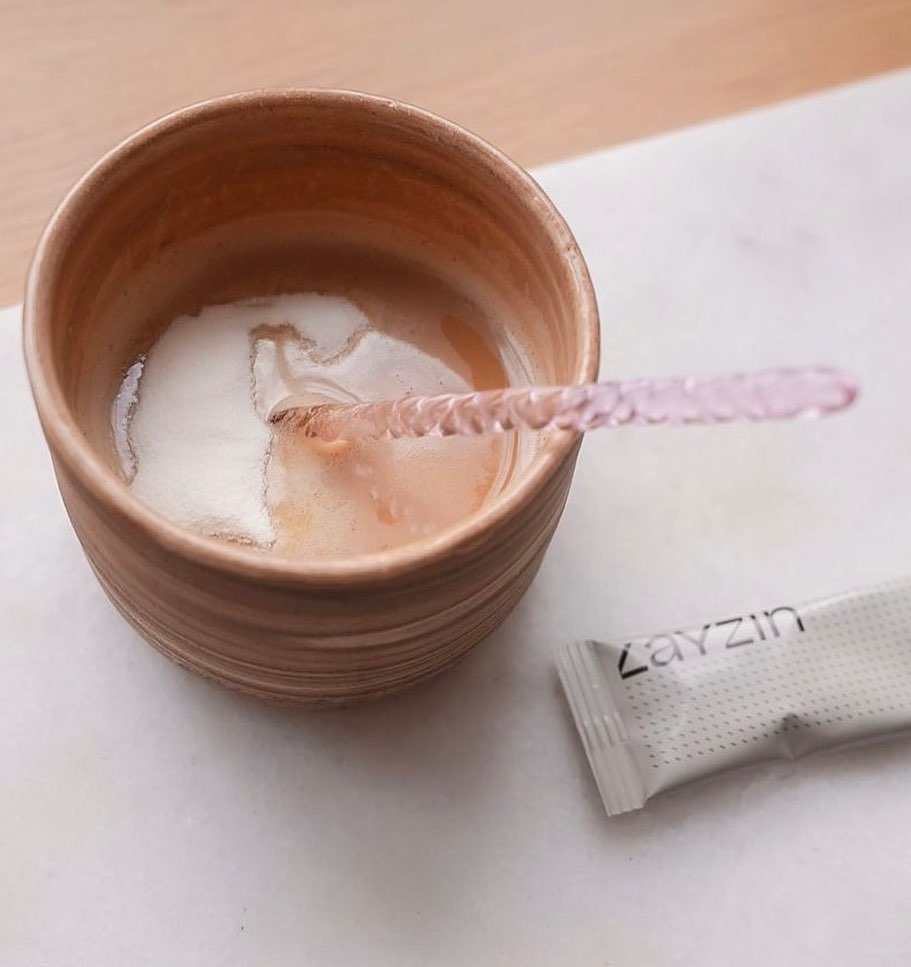
Can You Heat Collagen? The Answer and the Science Behind It.
A frequently asked question we receive is: can you heat collagen? Does this collagen powder lose its potency when heated?
Fortunately, the answer is no! In this blog post, we explain why that is and how the process works.
Collagen powder is a popular daily supplement because of its many health benefits, including improved skin elasticity, stronger nails, healthy hair, and joint and bone support.
What is collagen?
Collagen is a type of protein found in abundance in your body. It's a key component of connective tissues such as skin, hair, nails, cartilage, bones, and joints.
As we age, our body's own collagen production gradually declines. This leads to signs of aging and other health problems. That's why many people choose to take collagen supplements to counteract this decline as much as possible.

Heating collagen
Using collagen powder in recipes is a great way to increase your daily intake without having to take supplements. But what about heating collagen? Here's a scientific explanation.
Hydrolysis of collagen
Collagen powder, sold as a supplement, is available in many forms, including low-dose pills and powder sachets.
The best form of collagen is the powder form that has been hydrolyzed.
This means that the collagen has been predigested through a process of hydrolysis, breaking down the protein into smaller peptide chains. These smaller chains, also called collagen peptides, are more easily absorbed by the body and remain stable when heated.
Denaturation and functionality
Heating regular collagen denatures proteins, meaning they lose their natural structure. This may sound negative, but with hydrolyzed collagen, this process already occurs during production. This ensures that the collagen peptides remain stable and retain their functionality, even when exposed to high temperatures.
Stability of collagen peptides
Studies have shown that collagen peptides retain their molecular structure and bioactive properties when heated.
This means that the collagen powder in your coffee, tea, soups and even baking recipes remains effective even after it has been heated.
The peptides remain intact and can still be absorbed and used by the body to support the health of the skin, joints and other tissues.

Heating collagen and its processing in the body
When you consume collagen powder, regardless of whether it is heated or not, it follows the same processing pathway in the body:
-
Digestion: The collagen powder is broken down by the enzymes in your stomach and intestines.
-
Absorption: The collagen peptides are absorbed through the intestinal wall and enter the bloodstream.
-
Distribution : The peptides are transported via the bloodstream to various parts of the body (including your skin and hair), where they contribute to the construction and maintenance of your tissues.
Practical applications of collagen powder
Because heating collagen doesn't alter the powder's stability, you can add it to a wide variety of hot and cold recipes. Here are some ideas:
-
Soups and stews: Stir collagen powder into soups, stews, or sauces while cooking.
-
Baking: Add collagen powder to batter for cakes, muffins, breads, and other baked goods.
-
Coffee, tea, water, juice: add a scoop of collagen powder to your morning coffee or tea for an easy collagen boost.
We'd love to share one of our favorite snacks that involves heating collagen with you:
Simple collagen cookies
Ingredients
- 1 cup oatmeal
- 2 sachets LAYZIN Collagen Complex
- 1/4 cup coconut oil, melted
- 1/4 cup honey or maple syrup
- 1 large egg
- 1 teaspoon vanilla extract
- 1/4 teaspoon baking powder
- 1/4 teaspoon salt
Instructions
- Preheat: Preheat the oven to 175°C and line a baking tray with baking paper.
- Mix dry ingredients: In a large bowl, combine the oat flour, collagen powder, baking powder, and salt.
- Combine wet ingredients: In a separate bowl, whisk together the melted coconut oil, honey or maple syrup, egg, and vanilla extract until smooth.
- Combine: Add the wet ingredients to the dry ingredients and stir until well combined.
- Shape cookies: Use a tablespoon to scoop the dough into mounds on the baking sheet. Flatten them slightly with the back of the spoon.
- Baking: Bake the cookies in the preheated oven for 10-12 minutes, or until the edges are lightly golden brown.
- Cooling: Let the cookies cool on the baking sheet for a few minutes before transferring them to a wire rack to cool completely.
These cookies are the perfect snack for on the go or at work, enjoy!

Conclusion
Collagen powder is a versatile supplement that doesn't lose its effectiveness when heated. Thanks to the hydrolysis process, collagen can be heated, and the collagen peptides remain stable and functional, even at high temperatures.
This allows you to add collagen powder to your hot and cold dishes without any worries and benefit from the many health benefits it offers.

Written by LAYZIN SKIN


Leave a comment
This site is protected by hCaptcha and the hCaptcha Privacy Policy and Terms of Service apply.